Introduction
Product catalogues remain one of the most effective ways to showcase your products and establish a tangible connection with customers. In this guide, we’ll cover everything you need to know about custom product catalogue printing, from planning and design to choosing the right paper and binding. You’ll also learn practical tips for creating visually appealing layouts, explore sustainable printing options, and discover tools that make the entire process smooth and straightforward.
Catalogue Binding Types
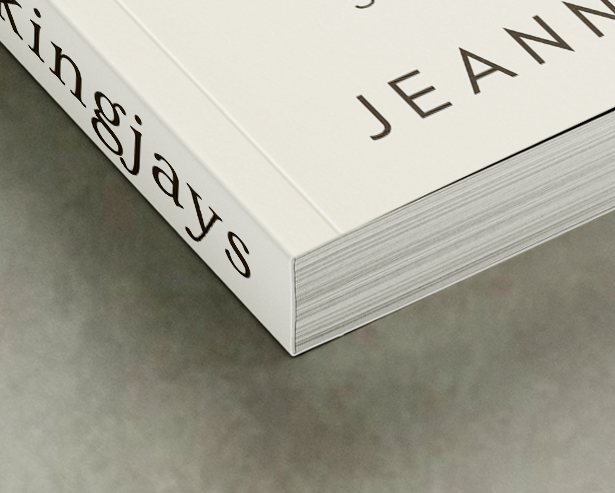
- Perfect Binding: A popular choice for catalogues. Pages are glued to a spine and then joined to a slightly heavier cover, creating a clean rectangular spine. For thicker or heavier catalogues, Mixam uses PUR (polyurethane reactive) adhesive, which ensures durability and flexibility without spine damage.
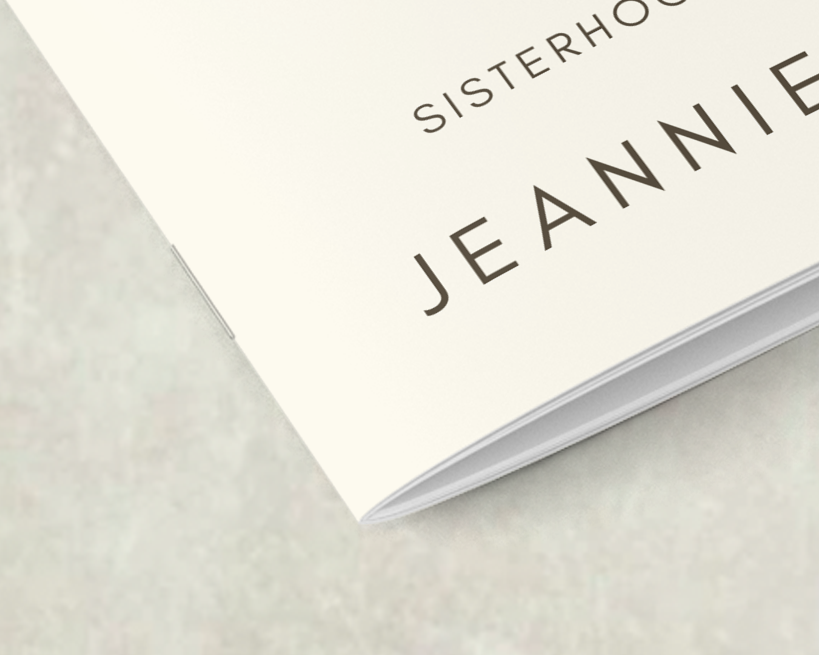
- Saddle-Stitch (Staple): Uses two staples along the centrefold to hold the pages securely. It is a cost-effective, reliable method, especially for catalogues with fewer pages.
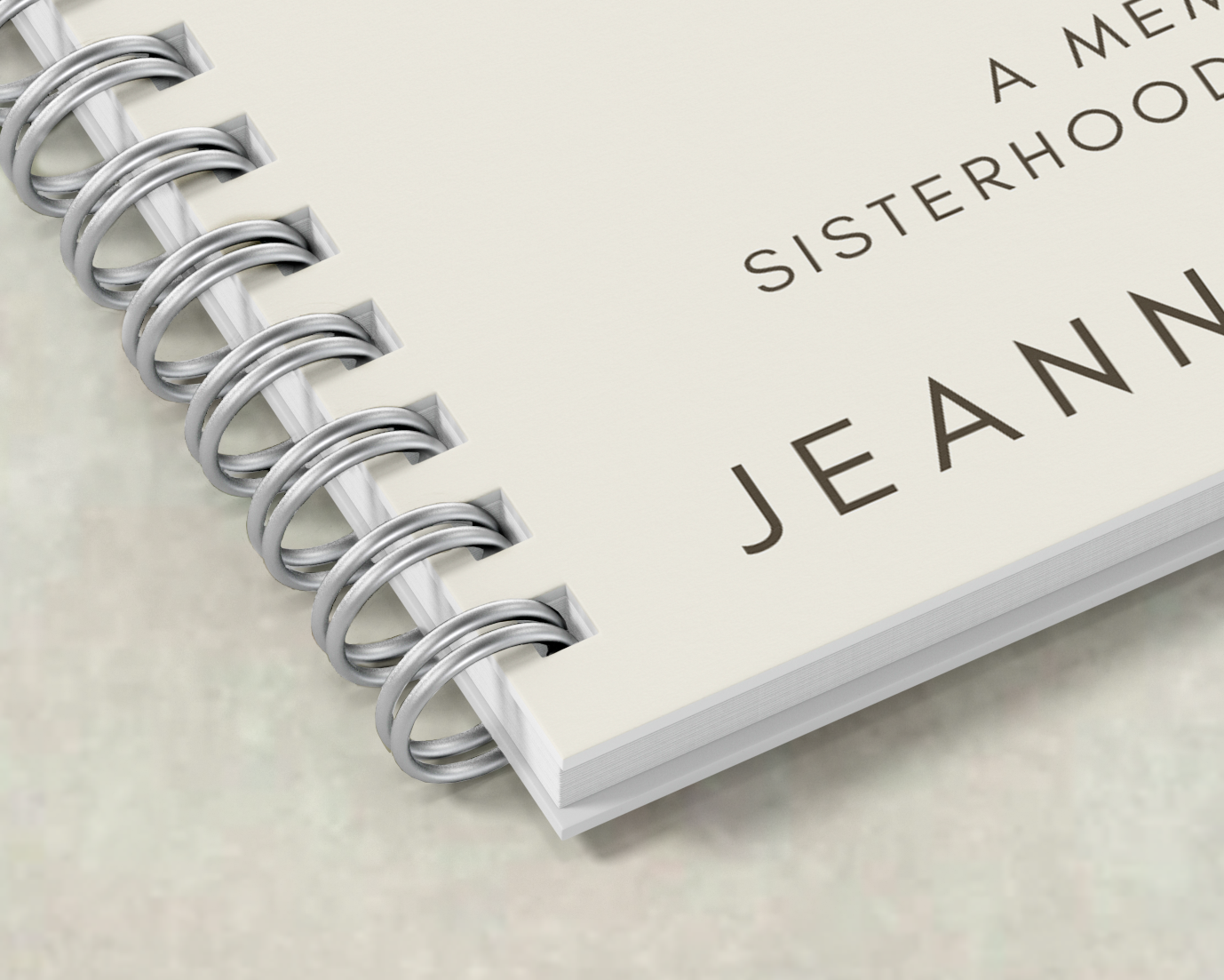
- Wiro Binding: Secures pages using C-shaped wire loops, allowing pages to lie flat and rotate 360 degrees. This method is both flexible and durable, accommodating small and large page counts.
Paper Weight & Cover Lamination
Paper weight is measured in pounds (gsm) and refers to the weight of a ream of paper in its uncut size. Heavier papers are more durable, making them ideal for frequently handled items, while lighter papers are cost-effective for longer runs. Text paper is used for inner pages, and cover paper is thicker for added protection. On Mixam’s Instant Quote Calculator, you can select the cover paper weights using the ‘Add Cover (+4 Printed Pages)’ option. Catalogues without a separate cover that use the same paper for both inner pages and cover are known as a self-cover.
Cover lamination adds a clear protective coating to printed covers. Laminations differ from finishes like matt or gloss, which enhance texture or colour. Common catalogue lamination options include:
- None: No lamination, ideal for creative, writable, or fully recyclable items.
- Matt: Smooth, glare-free, and soft; slightly mutes colours for a subtle, natural look. Often paired with silk paper.
- Gloss: Ultra-smooth with high shine; enhances colour contrast and vibrancy. Perfect for image-heavy catalogues.
- Soft-Touch: Velvety, matte finish that mutes colours; ideal for frequently handled catalogues for a premium tactile experience.
Uploading Print Files: File Types & Bleed Settings
Mixam accepts various file types. We convert non-PDF files into high-quality PDFs for printing, preserving formatting, style, and image integrity.
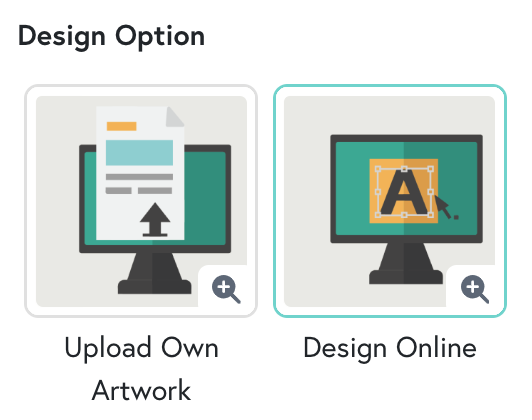
Alternatively, Mixam offers a free Design Online tool, which simplifies file creation with pre-made layouts, typefaces, and graphics. You can design the cover, body, or spine, and select ‘Expert’ mode for advanced editing control. The tool automatically applies your specifications from the Instant Quote Calculator, including size, page count, and printing guidelines. This makes designing a catalogue faster and more accessible, even for first-time creators.
Catalogue Design Tips
Designing a catalogue is more than arranging images and text - it requires careful planning to ensure readability, visual appeal, and professional quality printing. Follow these steps to ensure your catalogue leaves a strong impression:
- Keep Layout Consistent: Use consistent margins, fonts, and colour schemes across all pages. For guidance on selecting the right fonts, check out our detailed guide to the best fonts for books.
- Leave Adequate Margins: Ensure sufficient space around edges and binding sides to prevent content from being cut. For tips on setting correct margins and ensuring your content prints correctly, see our guide to bleed in printing.
- High-Quality Images: Always use high-resolution images for sharp, clear prints. Low-quality images can reduce perceived professionalism. For advice on creating sharp, high-quality images, see our guide to DPI for printing.
- Use Clear Headings: Headings and subheadings guide readers through the catalogue, making navigation easier.
- Consider Flow: Arrange pages logically to enhance readability and comprehension. Mixam’s platform allows you to drag and drop pages for easy reordering. Alternatively, click the three-dotted icon under a page and enter the new page number to move it.
- Proof Before Printing: Mixam’s automated file checks help spot errors, but reviewing a proof yourself ensures it’s correct. You can preview your catalogue in a flipbook format to verify layout and artwork thumbnails before confirming your order.
Sustainability in Printing
Mixam prioritises eco-friendly catalogue printing by combining sustainable materials with energy-efficient production methods. Catalogues can be printed on papers, reducing environmental impact while maintaining high-quality results. We also use plant-based inks, which are renewable, non-toxic, biodegradable, and easy to recycle. These inks provide vibrant, full-colour printing while minimising the chemicals and energy needed during recycling.
Furthermore, our energy-efficient machinery streamlines production, ensuring each print uses only the energy required. We also print your designs on large sheets of paper, and all paper scraps and trimmings are recycled. Sustainability extends to packaging as well. Many Mixam production centres use recycled and recyclable materials to pack your prints securely, reducing their carbon footprint without compromising protection.
Why Print Catalogues with Mixam?
Printing your catalogue with Mixam means you’re not just uploading files - you’re using a service that gives you control, quality, and flexibility. Our platform is intuitive, and the Instant Quote Calculator lets you see costs and shipping options instantly. You can print in bulk or use print-on-demand, depending on your needs. Mixam helps you choose the right option so you get the results you want without waste. Every file is automatically reviewed, and our team of experts is ready to guide you if adjustments are needed. Plus, our global printing capabilities mean you can distribute high-quality catalogues to audiences around the world with ease.
Conclusion
Creating a product catalogue has never been easier. With Mixam, you can design, print, and distribute catalogues that showcase your products while supporting sustainable practices. From binding and paper selection to design and file uploading, every step is streamlined for efficiency and quality. Start printing your project today by visiting our Catalogues page. You can also download Mixam’s free Book Printing Guide to learn the essentials of book production and our PrintLink Guide to discover how to print on demand.
Main Image Credit: Pixabay