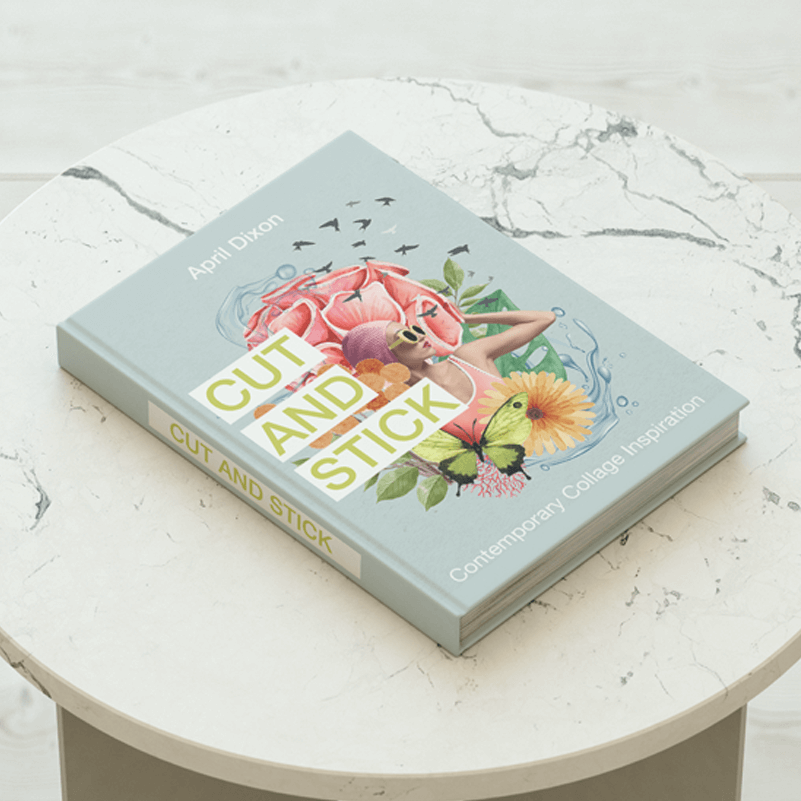
A hardcover book cover is more than just a protective layer - it’s a powerful storytelling tool that visually communicates what a book is about. Whether you’re an author, artist, or publisher, your cover design is crucial in shaping a reader’s first impression and should draw readers in before they even open the first page. A well-crafted cover evokes emotion, captures attention, and should reflect the quality of your work. In this guide, we’ll explore everything from materials and design to the printing process, helping you feel confident and inspired to create a custom hardcover book cover that truly represents your story at its best.
The Importance of Hardcover Book Covers
First Impressions
A hardcover book serves as the 'face' of your book, offering readers their first glimpse into its contents without revealing the entire story. Whether you’re designing a bold thriller, a delicate romance, or an educational guide, your cover should effectively convey your book's genre, tone, and overall mood to set the reader’s expectations right from the start. Beyond its visual appeal, a hardcover book cover is a powerful branding tool. It’s not just about one book - it’s part of the broader image you're creating as an author or publisher. A cohesive design strategy helps build recognition and distinguish your work from others in a highly competitive market, reinforcing your personal or professional brand across all your projects.
Protection and Durability
Hardcover book covers blend aesthetics with functionality, making them a long-lasting investment for any project. They’re often chosen for their high-end look and feel, giving the product a higher perceived value. Additionally, hardcovers provide superior protection against wear and tear. Sturdy cardboard covers and high-quality papers contribute to their strength and longevity, surpassing soft-covered paperback books.
Design Elements for Hardcover Covers
Color Schemes and Imagery
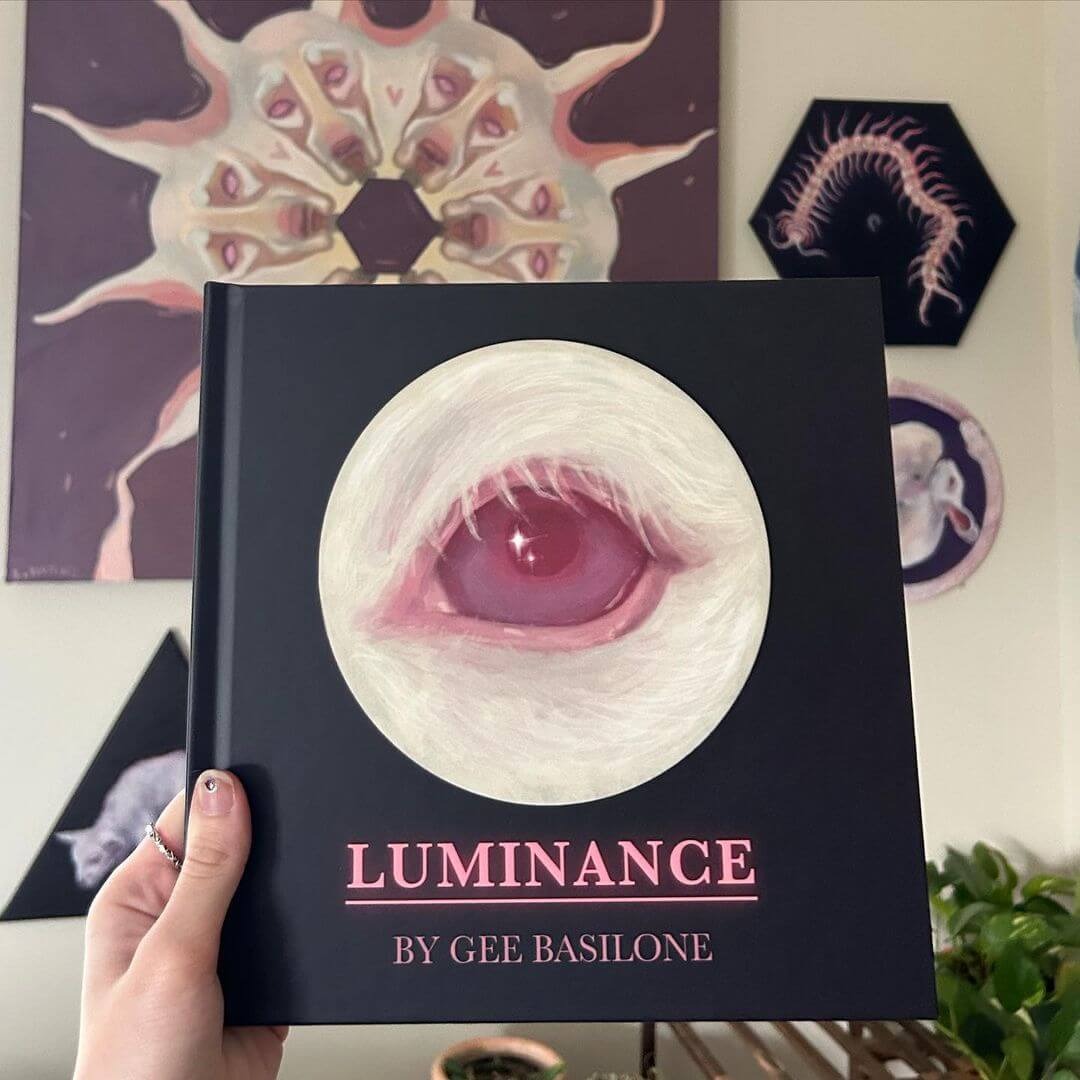
Colors evoke emotion and can create powerful psychological connections with your target audience. For example, a dramatic black and red cover might suggest mystery, danger, or suspense, perfect for a thriller or crime novel. In contrast, soft pastel tones could evoke feelings of calm, serenity, and warmth, making them ideal for a self-help book or romance. Bold, vibrant colors convey excitement and energy, while muted, neutral tones signal sophistication and elegance, perhaps suitable for non-fiction or historical works.
Incorporating striking illustrations or photographs is another way to engage your audience and draw attention to your book. However, as you develop your design, ensure that all visuals, including illustrations, photographs, and colors, align with your book's content and genre to avoid confusing or misleading potential readers.
Typography and Graphics
The font you choose is another highly effective way to set the tone for your hardcover book cover. Serif fonts, which feature small lines or strokes at the ends of letters, tend to convey a classic, traditional feel, often associated with timeless literary works, historical fiction, or academic texts. In contrast, sans-serif fonts lack these decorative strokes and convey a more modern, clean, and minimalist vibe, making them perfect for contemporary fiction and non-fiction.
The size and weight of the font also play a significant role. Bold, large fonts can communicate confidence, authority, and strength. On the other hand, script fonts, which mimic the fluidity of handwriting, add a touch of elegance and sophistication, giving a more personal, creative feel.
When paired with graphic elements like illustrations, icons, or decorative borders, these small yet impactful details can tie all elements together, making your cover feel more cohesive, polished, and professionally designed.
Special Finishes
Techniques like foiling and spot UV can add a layer of sophistication to a cover design, making it stand out even more on bookstore shelves or online platforms. Foil stamping allows you to accentuate specific design features with metallic elements for a luxurious, high-end feel. Spot UV, on the other hand, adds a glossy texture to select areas, such as the title, author name, or certain graphics, creating contrast and depth to enhance visual interest and add a tactile element to engage readers. Special finishes like foiling and spot UV are excellent ways to make your book cover memorable, adding that all-important wow factor.

The Hardcover Cover Printing Process
Pre-Printing Preparation
First, use at least 300 dpi high-resolution images for crisp, sharp, and detailed prints to ensure your cover design looks professional, without pixelation or blurriness. Next, check that your files are correctly formatted. Your cover needs to be centered and aligned properly, with clear margins and enough space for binding. Most importantly, include bleed, the extra space around your design that prevents unprinted edges from appearing after trimming.
Additionally, double-check the color settings of your design. Always use CMYK color mode rather than RGB, as CMYK is the standard for professional printing and ensures that your colors will appear accurately in print. Before sending your design to print, review your files to confirm that all fonts are embedded and there are no unexpected font substitutions that could alter the look of your cover.
Printing Techniques
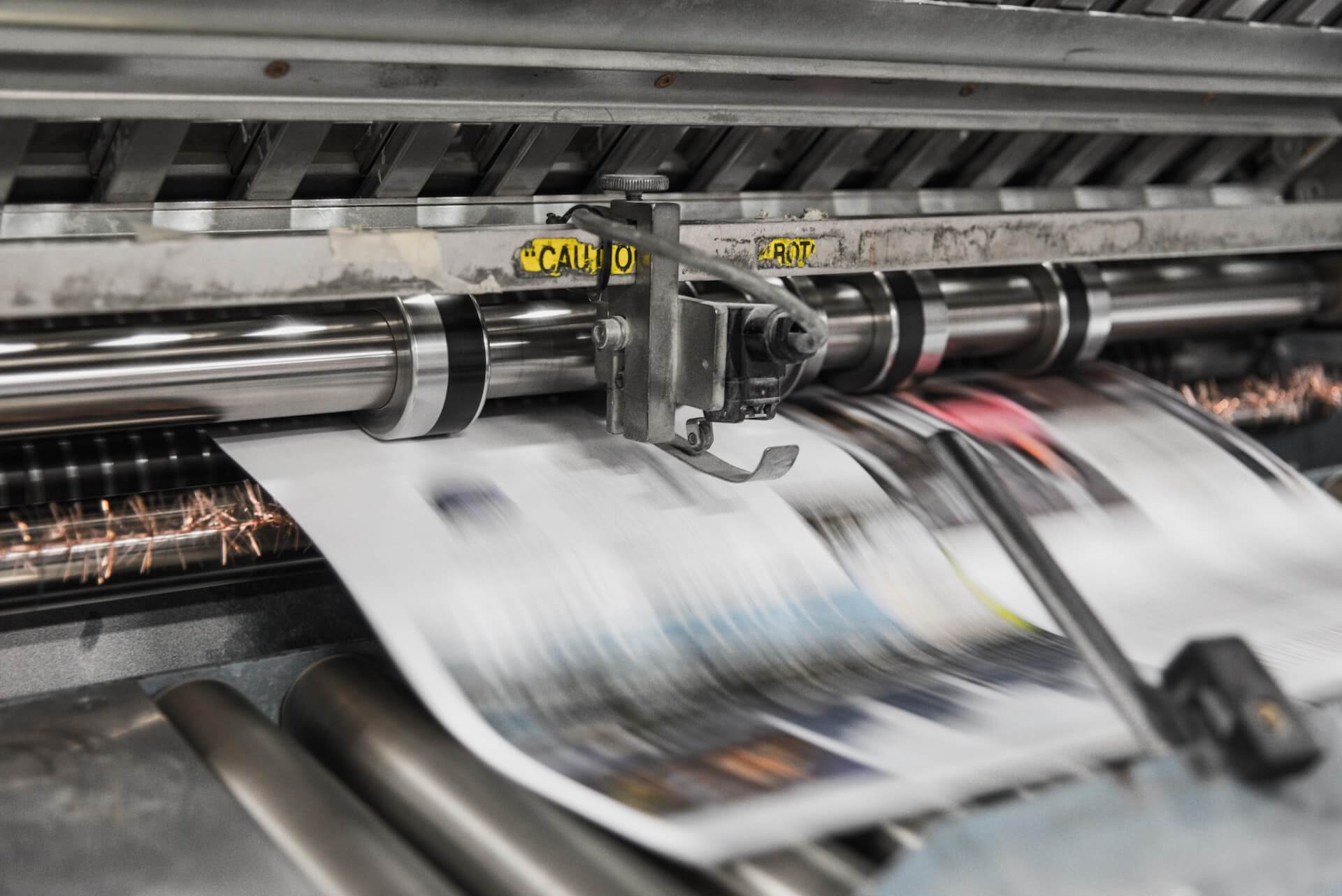
Hardcover book covers typically use offset printing, which delivers exceptional quality with sharp details and vibrant colors. Offset printing is the preferred method for larger print runs because it ensures consistency across every copy, maintaining the same high standards from the first book to the last. This method is particularly advantageous for detailed designs and intricate typography.
However, digital printing might be more cost-effective and time-efficient if you plan a smaller print run or need a quick turnaround. Digital printing offers flexibility and still produces impressive results. At Mixam, we make choosing the best option for your needs easy. When you select your print specifications, our Instant Quote Calculator will clearly display which printing method we’ll use to produce your books, allowing you to make an informed decision.
Post-Printing Treatments
Post-printing treatments, often referred to as finishes or laminations, are essential for enhancing the durability and aesthetics of your hardcover book cover. These treatments protect your cover from general wear and tear, ensuring it withstands frequent handling. Options like matte or gloss lamination can create different effects: gloss adds a shiny, reflective finish that brightens colors and creates a smooth feel, while matte offers a more subdued look with a softer texture.
Customization and Personalization Options
Tailoring Covers to Your Book
Mixam’s custom print options allow you to tailor every part of your cover. From small art books to large coffee table books, custom sizes ensure that your book cover fits perfectly, giving readers a polished final product that feels cohesive and professional. Working with a professional printing service gives you the flexibility to create something truly one-of-a-kind.
Why Choose Professional Printing for Your Hardcover Cover?
Ultimately, professional printing services ensure that every detail of your hardcover book cover is executed with precision and finished to the highest standard. Professional printers have the advanced equipment and expertise to deliver flawless results. This level of consistency helps your book maintain a high-quality appearance, ensuring it stands out in a competitive market.
Another advantage of working with a professional printer like Mixam is the wealth of expertise in both design and production. Professional printers are knowledgeable about all aspects of printing, from color profiles to resolution, including the nuances of printing techniques. They can also guide you through the process, offering advice on best practices and helping you avoid common print issues like low-resolution images and formatting. With Mixam, you’ll receive personalized support to ensure your cover looks stunning in print and truly reflects your creative vision.
How to Design and Order Your Hardcover Book Cover
DIY vs. Professional Design
If you have design experience, creating your hardcover book cover yourself can be a satisfying and rewarding process. DIY design offers complete creative control and is cost-effective, as you won’t have to hire a professional or rely on external input.
However, while DIY design provides freedom, it's essential to consider the potential limitations. Professional designers have industry expertise, including typography, color theory, and layout, which can help ensure your cover is visually appealing and fit for purpose. A professionally designed cover may resonate more with your target audience and meet expectations for a competitive market. Additionally, a designer can help you navigate technical details, like preparing print-ready files, to avoid potential issues down the line.
Ordering Process at Mixam
At Mixam, we make designing, printing and ordering your hardcover book cover easy. Our step-by-step guide on how to print a hardcover book provides everything you need to know to ensure your cover is print-ready. From uploading your files to choosing your preferred materials and finishes, our intuitive process ensures a seamless experience from start to finish.
Frequently Asked Questions about Hardcover Book Covers
What is bleed, and why do I need it?
Bleed refers to the extra space added around your design to prevent unprinted edges after trimming. When preparing your hardcover book cover, including bleed ensures that your design stretches to the edge of the page and prevents any unwanted white borders from appearing in your final print.
How do I upload my files?
Add a quote to your Cart and click ‘Continue’ to begin a pending order. Before uploading, make sure your files are clearly labeled (e.g., Page_1, Page_2, etc.) to help our system place them in the correct order. You can drag and drop files from your desktop or upload them from your computer using online file-sharing services like Dropbox or a web URL. You can upload single and multi-page files to your orders.
How do I upload a cover spread and spine?
Create one 300 dpi PDF file with your back cover, spine, and front cover design included. Upload this file to the Artwork tab of your order. Ensure that the design matches the dimensions you selected in your initial quote and label the file with a clear name, such as ‘cover.pdf’, so our system can automatically place it in the correct position. Alternatively, using our free design tools, you can create a cover design within preset dimensions and print margins.
What is lamination, and why do I need it?
Lamination involves applying a transparent plastic coating over your printed cover to preserve and protect it while enhancing its overall appearance. Lamination helps minimize common issues such as marking, ink transferral, smudging, creasing, fading, wrinkling, abrasion, and tearing. While all laminations and finishes can slightly affect the appearance of printed colors, they play a crucial role in protecting your book and ensuring it remains durable and visually appealing over time.
What is a dust jacket, and how do I create one?
A dust jacket is a removable cover that wraps around a hardcover book, serving as both a protective and decorative feature. It provides space for additional details, such as an author biography, compelling imagery, social media handles and publisher information. To add a dust jacket to an order, select the ‘Add Dust Jacket’ option on our Instant Quote Calculator and upload a separate design file. Alternatively, you can get an instant quote for standalone dust jackets.
Conclusion
Your hardcover book cover plays a vital role in making your book stand out from the crowd, protecting it from wear and tear, and leaving a lasting impression on readers. It’s about creating something that reflects the quality and content of your work while ensuring durability. With the right design, materials, and professional printing, your hardcover book cover can elevate your project to the next level.
Ready to create your own hardcover book cover? Get a free quote on our Hardcover Book printing page. Download Mixam’s free Book Printing Guide to learn how to print a book, and the PrintLink Guide to start your own print-on-demand business.