Introduction
When you're wondering how do you self publish a book, the rise of self-publishing and print-on-demand services has made it easier than ever to share your story without relying on big publishing houses. Whether you're a first-time author or an experienced writer looking to take control of your publishing journey, print-on-demand allows you to create, print, and distribute your book on your terms. In this guide, we’ll show you how to self-publish a book with print-on-demand to help you get closer to getting your finished book out there.
The Rise of Self-Publishing and Print on Demand
Self-publishing has revolutionized the literary world, giving authors greater autonomy. Print on demand (POD) is a key part of this transformation, meaning when a customer places an order, a printing company will only print as many copies as requested, from one copy to thousands. Gone are the days of expensive print runs and storing boxes of unsold books. With POD, you minimize financial risk and maximize flexibility through customization.
POD also opens doors to wider audiences. Your book can be printed and shipped to readers without inventory or complicated logistics. It’s a cost-effective and efficient way to self-publish, giving you the power to turn your manuscript into a professionally printed book with ease.
Craft a Compelling Narrative
A book isn’t a book without a story. Whether you're writing fiction, non-fiction, or picture books, your narrative should be engaging and meaningful. But how do you know if your story will stand out in a crowded marketplace?
Identify Your Unique Selling Proposition (USP)
Your Unique Selling Proposition (USP) defines what sets your book apart. Think about what makes your story special. Is it a fresh take on a familiar genre? Are you exploring a topic that is not widely covered? Your book may feature a distinctive narrative style or voice that grabs readers' attention. For example, if you’re writing a mystery novel, you may find an unusual setting or create an unexpected twist. Identifying your USP early on will help you craft a more compelling story and give you a strong foundation for marketing your book later.
Understand Your Audience
A great book is one that truly connects with its audience. Before you even start writing, take some time to think about who your readers are. Are they young adults looking for an exciting adventure? Are they professionals seeking practical advice? Tailor your content to meet their expectations and interests. For instance, your readers might be looking for actionable steps to improve their lives if you're writing a self-help book. If you're writing a children’s book, your language and story structure must be simple and age-appropriate. Knowing your audience will guide your storytelling and shape how you present and promote your book.
Focus on Storytelling
- Character Development: Your characters should evoke an emotional response to get your readers to care about them. Strong characters make a book memorable, whether readers love, hate, or empathize with them. Give your characters depth—let them grow, face challenges, and evolve throughout your story.
- Plot Structure: A well-structured plot will keep readers glued to the page. Consider using a three-act structure or another tried-and-true storytelling framework. The pacing should be smooth, with moments of tension and resolution that drive the story forward.
- Conflict and Resolution: Every great story needs conflict. Conflict keeps readers interested, whether it’s an internal struggle, an external challenge, or a combination of both. How your characters resolve this conflict will give readers the emotional payoff they expect.

Professional Book Editing
Engage Beta Readers for Feedback
Consider sharing your manuscript with test readers before hiring a professional editor. Beta readers are people who represent your target audience. They can provide valuable feedback on your story’s flow, character development, and overall readability. By getting early feedback from beta readers, you can identify potential issues, such as confusing plot points, unlikable characters, or pacing problems.
Employ Professional Editing
Consider hiring a professional editor after collecting and working on beta readers' feedback. Professional editors can catch grammatical errors, refine your story structure, and help you polish your book to a high standard. Whether you opt for a copy editor to clean up your prose or a developmental editor to help you fine-tune the big picture, editing is an investment that will secure the quality of your final product. A well-edited book enhances readability and ensures your book feels professional.
Collaborate with a Book Designer
Design a Cohesive Cover
A great cover should reflect your book’s genre and tone. For example, a thriller might feature dark, intense imagery, while a romance novel might use a softer color palette. A well-designed cover will attract your target audience and entice readers to pick up the book. Additionally, pay attention to the typography on your cover. Fonts should be easy to read and align with your book’s style. A sci-fi novel might use bold, futuristic fonts, while a literary fiction book might opt for something more classic and understated.
Think Beyond the Cover
While your cover is important, interior elements like chapter headings, page layouts, and margins contribute to the overall reading experience. Working with a designer will help ensure your book’s interior design is visually appealing and easy to navigate. For example, if your book includes illustrations, charts, or photographs, integrate them seamlessly into the text. Consistent fonts, headers, and spacing throughout the book will also give it a professional feel and make it easier for readers to enjoy your content.

Select Your Self-Publishing Partner
- Distribution Channels: Do you want to sell globally or focus on specific regions? Some platforms offer international distribution, while others allow for more localized sales.
- Print vs. Digital: Are you offering a print version, an eBook, or both? Platforms vary in their ability to support different formats, so choose one that aligns with your audience’s preferences.
- Cost Structure: Understand the costs of printing, distribution, and platform fees. Print on demand allows you to avoid high upfront costs, but ensuring the platform’s pricing structure works for your budget is essential.
- Royalty and Profit Margins: Look for a platform that provides reasonable profit margins while covering production costs. You want to ensure you can price your book competitively while still making a return.
Why Work with Mixam?
Mixam’s print-on-demand service, PrintLink, allows you to print, monetize and distribute your self-published books online through a single shareable link without upfront costs, bulk purchases or inventory management. From small print runs to larger orders, you can choose from a range of high-quality paper types, finishes, and binding options, allowing you to fully customize your book. You maintain complete control over pricing, and with our flexible, user-friendly platform, you can start selling your book to readers.
Prepare Your Book for Publication
Layout and Design Considerations
Pay attention to margins, fonts, and spacing to ensure readability. For example, most printed books use a font size between 10 and 12 points for body text. If your book contains images or illustrations, ensure they are at least 300 dpi (dots per inch) for high-quality printing.
Consistency is also key in your layout. Whether you’re designing your book yourself or working with a professional, ensure that fonts, margins, and page numbering are uniform throughout. This attention to detail will give your book a polished and professional look.
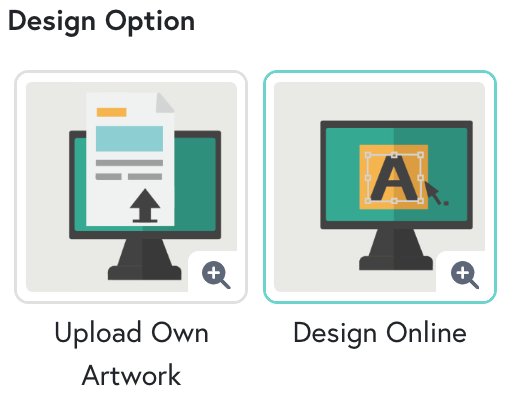
When you select a quote on Mixam’s Instant Quote Calculator and click ‘Create Publication’, you can select the ‘Design Online’ button in your pending order. This creation tool lets you make print-ready files using pre-made layouts, typefaces and graphics within preset printing guidelines.
Execute a Strategic Book Release
- Build Buzz Before Launch: Start promoting your book before it’s available for purchase. Share teasers, cover reveals, or sneak peeks on your social media profiles to build excitement and anticipation. You could also share exclusive features like bonus content to encourage early purchases.
- Plan a Virtual or In-Person Launch Event: Celebrate your book release with a virtual or in-person launch event. Whether it’s a Zoom reading or a book signing at a local bookstore, events like these can help you connect with readers and generate interest in your book.
Promote Through Digital Presence
- Share Your Journey: Be authentic with your audience by sharing personal reflections, behind-the-scenes moments, and milestones in your publishing journey. The more connected your readers feel to you, the more likely they will support your work.
- Engage with Your Readers: Building a community around your book is key to long-term success. Engage with your readers by responding to comments, sharing user-generated content, and involving them in your creative process can make them feel more invested in your work.
Begin Your Next Creative Venture
Mixam’s platform provides all the features you need to succeed. For example, our shopping cart lets readers purchase multiple books simultaneously, with an ‘Add to Cart’ button placed conveniently next to the ‘Buy Now’ option. This simple addition makes bundling related titles in a single order easy, helping publishers increase sales per transaction and making it ideal for launching a book series.
Additionally, the carousel feature on every PrintLink publication page showcases all your books in one place, making it easier for readers to explore and discover more titles. Publishers can also group their books by genre, expanding their reach and helping new and existing readers find and purchase your work. Find out how to sell more books on our blog.
Conclusion
With Mixam, you have everything you need to build a thriving self-publishing business. Visit our PrintLink product page to get your project started. Download Mixam’s free Book Printing Guide to learn how to print a book, and the PrintLink Guide to start your own print-on-demand business.
Main Image Credit: Nick Gentry (@nickgentryart)