Introduction
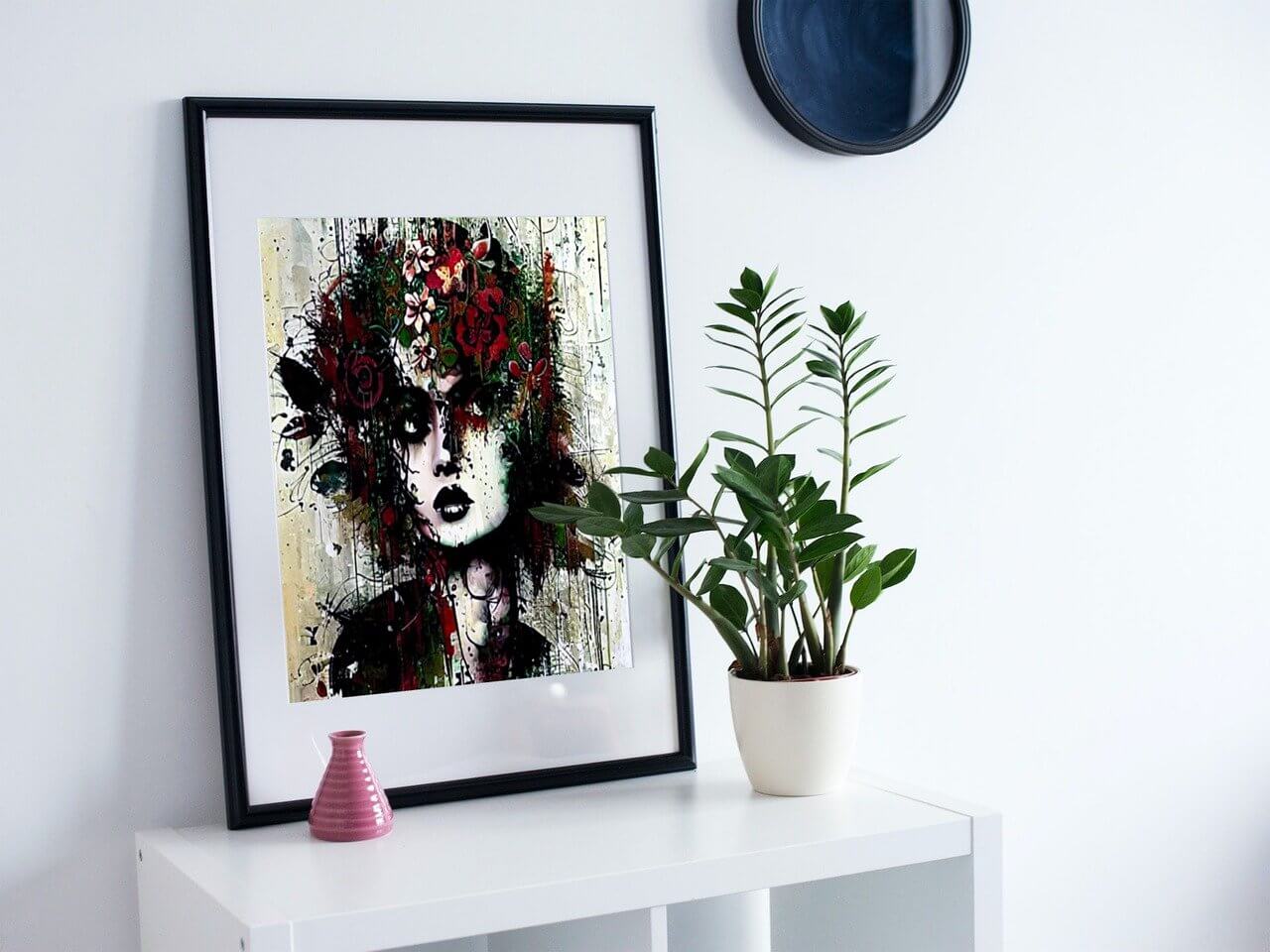
Knowing how to make prints of your art can open doors for you as an artist, whether you're just starting out or already well-established. Print is a versatile way to share, sell, and preserve your work. You can extend your art’s reach beyond the original canvas, enabling more people to enjoy it in their homes, offices, or personal collections. But how do you start? Whether you're aiming for professional-quality prints or just experimenting, you'll find all the tips and tricks here to kickstart your next project.
Why Print Your Art?
- Expand Your Reach: Printing your artwork allows you to sell multiple copies, which means more people can discover your art. Instead of offering one original piece, prints enable you to share your work more affordably, which is ideal if you want to sell your art online or at galleries.
- Preserve Your Work: Original pieces can fade or get damaged over time. However, high-quality art prints can preserve your artwork for years, allowing collectors to own a copy that remains just as beautiful as when you first created it.
- Flexibility and Versatility: Print is a fantastic way to experiment with different formats and sizes. You can adapt your work to fit other products, from posters to postcards. This versatility can help you explore new avenues for your art and attract a broader audience.
- Monetise Your Art: Artists can sell limited-edition prints or high-quality reproductions for a fraction of the cost of an original piece, making them more accessible while earning an income.
Digitising Your Art
- Smartphone Photography: If you're just getting started or need a quick and easy way to digitise your artwork, a smartphone can be a surprisingly effective tool. Many smartphones today come with high-resolution cameras that capture a high level of detail. The key is to ensure good lighting and a steady hand. Alternatively, you can set your phone on a level surface or tripod. Smartphone photos may not capture the same level of detail as a professional camera, but they’re great for artists looking to experiment.
- Professional Photography: A DSLR camera is a better choice for artists looking to produce high-end prints. These cameras offer much higher resolution, allowing you to capture intricate details, textures, colour and depth. You’ll want to set your camera to its highest resolution to get the best results, especially if you plan to enlarge images for print.
- Natural Light: Midday light or an overcast day is ideal if possible because these times provide soft, even lighting that doesn’t create harsh shadows or glares. Try placing your artwork near a window or even taking it outside. If you're shooting indoors, use a white or neutral background to prevent unwanted colour reflections.
- Artificial Light: If natural light isn’t available, or if you're working indoors in the evening, softbox lighting can be a great alternative. Place two lights at a 45-degree angle from your artwork to minimise reflections and ensure even light distribution. Avoid direct light sources or flash, as they can create harsh glares that distort the colours and textures in your artwork.
Editing Photographs
Once you’ve captured your artwork, editing your digital files will help refine them. Editing software offers powerful tools to enhance your image, bringing it closer to the look and feel of your original artwork. Consider the following aspects during the editing process:
- Cropping: Start by removing any unnecessary background so the focus is solely on the artwork. A clean, well-cropped image will ensure your print is sharp and centred.
- Colour Correction: Adjust the brightness, contrast, and white balance to ensure the colours in the digital file match the colours in your original artwork as closely as possible. You can also adjust the colour profile to CMYK (Cyan, Magenta, Yellow and Black) to ensure the colours translate well on paper.
Capturing High Resolution
Aim for a 300 dpi (dots per inch) resolution. This term refers to the number of dots or pixels per inch of the image, and the higher the dpi, the more detailed and sharp your print will be. Even if your original artwork is small, a high-resolution image allows you to create large prints without sacrificing quality.
Colour Correction and Proofing
The Importance of Colour Accuracy
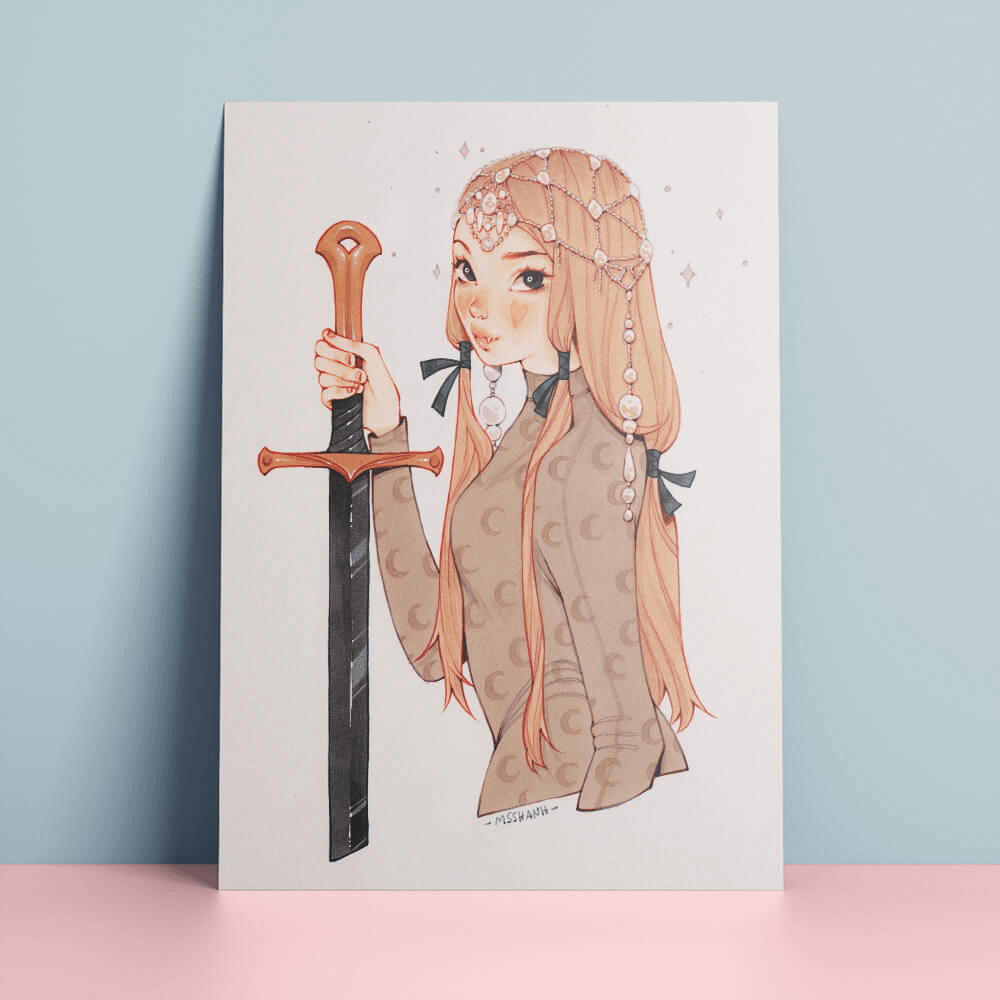
One of the biggest challenges is reproducing colours that are as close to your original artwork as possible in print. Your screen colours will vary slightly compared to those in print. A printer’s colour profile is typically CMYK (Cyan, Magenta, Yellow, Black), which differs from RGB (Red, Green, Blue), the colour profile used for screens.
Using Software for Adjustments
Editing software, like Adobe programs or Lightroom, offers tools to help you fine-tune your images. Soft proofing is a great way to preview your artwork's appearance. Using the printer’s colour profile in your editing software lets you see how specific colours may shift, and you can make necessary adjustments. You may also consider printing a single copy before committing to a larger print run.
Printing Techniques
- Litho Printing: Litho printing is best suited for larger print runs, as it’s more cost-effective at higher volumes. It offers excellent colour consistency and is a great option for producing high print volumes. It offers excellent colour consistency and is a great option for producing high print volumes.
- Digital Printing: If you plan to print a small quantity or experiment with different sizes, digital printing is a versatile and cost-effective option. It offers quick turnaround times and flexibility in terms of order quantities.
Choosing the Right Printing Partner
Choosing the right printing company to produce professional art prints is essential. The quality of the materials, printing techniques, and customer support can make all the difference between a mediocre print and a stunning reproduction.
Why Choose Mixam for Your Art Prints?
- Instant Quote Calculator: Our Instant Quote Calculator allows you to customise your print options and see the price immediately. You can choose the size, paper type, finish, and other details to suit your artwork and budget. The calculator updates as you make changes, giving you complete control over your project.
- High-Quality Materials: We provide top-quality paper options, from tactile uncoated stocks to shiny gloss. Whether you want a smooth, vibrant print or something with a more natural feel, we have the right paper stocks for your artwork.
- Easy File Uploads: Uploading your artwork is simple with Mixam’s drag-and-drop function. You can also use a third-party file hosting service like Dropbox or paste a link to upload your files. We recommend uploading PDFs for the best print quality, but we support various file formats, which we’ll convert into high-quality files.
- Flexible Order Quantities: Whether you’re printing one copy or a hundred, Mixam’s flexible ordering and delivery options allow you to print what you need when you need it.
The Printing Process
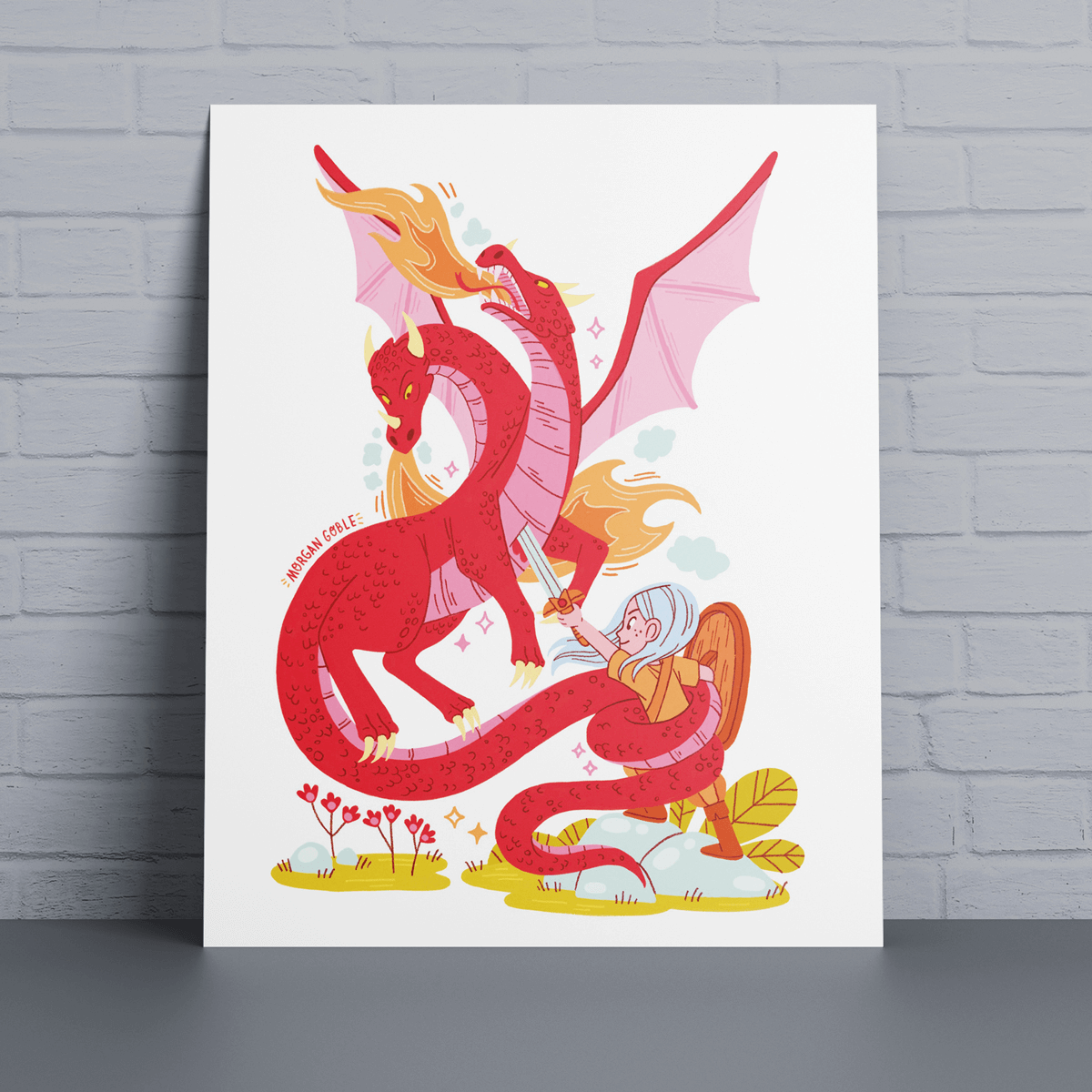
Step-by-Step Guide to Ordering Prints
- Orientation: Choose between portrait or landscape orientation based on your artwork’s composition.
- Size: Select the size that best fits your artwork. Mixam offers a wide range of sizes, from smaller dimensions to square formats.
- Colours: Choose between full-colour (CMYK) or greyscale printing. Full-colour is ideal for vibrant art, while greyscale offers a timeless, classic look.
- Paper Type: Each of Mixam’s paper types gives your print a different appearance, so choose one that complements your artwork.
- Paper Weight: A heavier paper adds a more substantial feel to your prints, which is crucial for art prints that need to make an impact.
- Lamination: Adding a finish to a printed surface increases a print's longevity and enhances aesthetics.
Marketing and Selling Your Art Prints
- Third-Party Marketplaces: There are online platforms that cater specifically to artists and creatives. These marketplaces also have the framework to handle much of the technical work, from payment processing to order management, making them a convenient choice for artists who want a straightforward way to sell their art and reach a large customer base.
- Personal Website: Building your website is an excellent option if you want more control over presentation. You can customise the look and feel of your store to align with your brand. Platforms also offer robust yet flexible e-commerce tools to help you create a fully branded shopping experience.
Caring for Your Art Prints
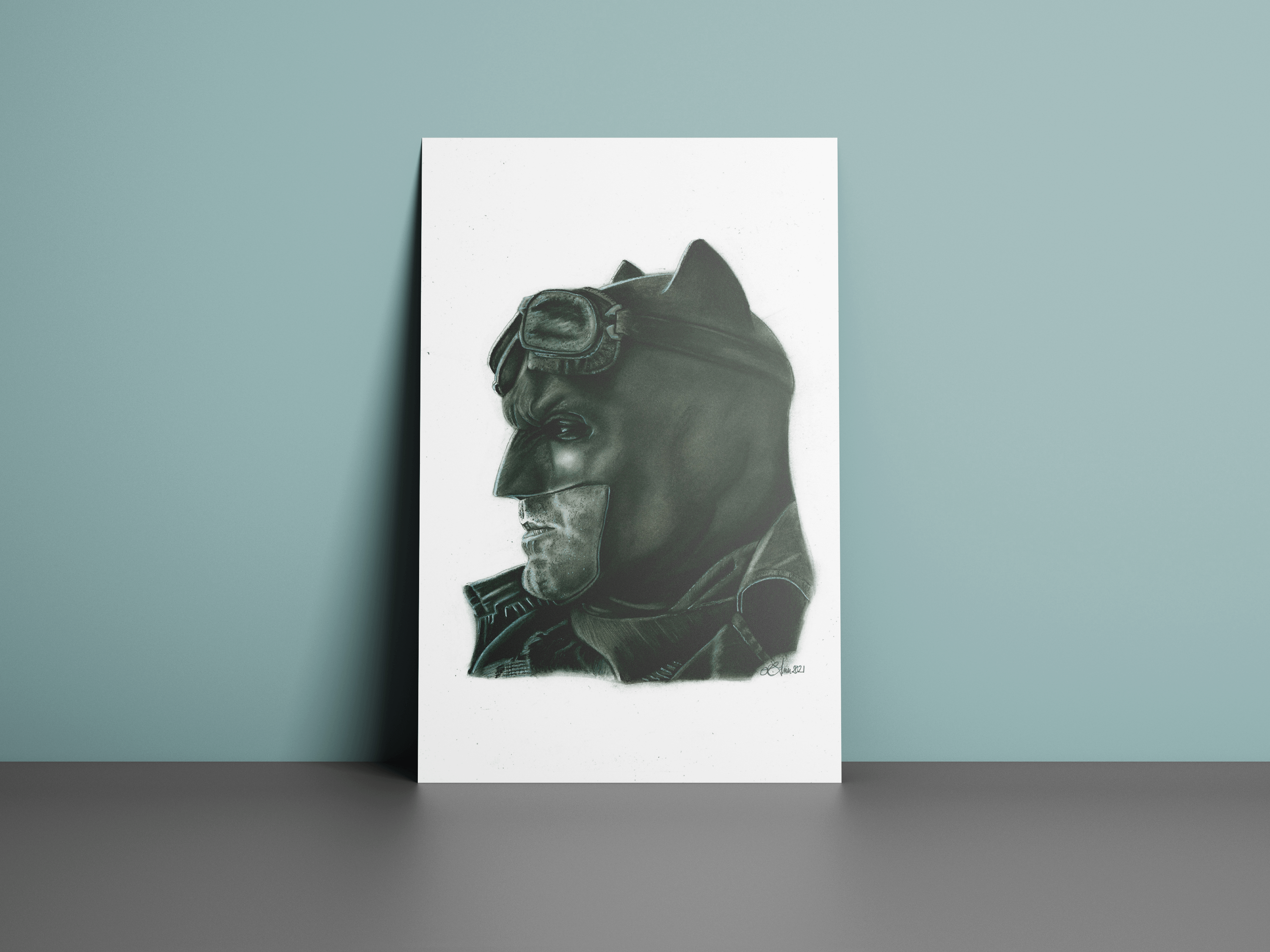
- Framing: It’s an effective way to extend your print’s lifespan. Choose archival-quality, acid-free mats and UV-resistant glass to prevent fading and discolouration.
- Storage: If you’re not displaying your prints as soon as they arrive, store them in a cool, dry environment. Consider using acid-free tissue paper between prints to prevent smudging or deterioration. You should also avoid rolling your prints, as this can cause creases or damage to the paper fibres.
- Light Exposure: Direct sunlight can cause colours to fade, even with UV-resistant framing. Consider rotating your prints periodically if you intend to display them in brightly lit areas.
- Humidity and Temperature: Excessive moisture and temperature fluctuations can warp paper and cause mould. Keep your prints in environments with stable humidity levels and a moderate temperature range.
Conclusion
Creating high-quality art prints is a rewarding process that allows more people to come into contact with your creativity. From digitising your artwork to selecting the right materials and printing techniques, each step is an opportunity to make your artistic dreams a reality. Whether you're making prints for personal enjoyment, selling your art, or building your portfolio, Mixam offers everything you need to make your creative vision a reality.
Visit our Art Prints page to explore your printing options. You can also check out the array of posts on Mixam's Blog and visit our Support section for helpful guidance and advice on all things print.
Main Image Credit: Pixabay