The paperback vs hardcover debate is an aspect every creator deliberates before they start printing. Whether you’re an independent author, a publisher, or someone looking to print a personal project, understanding the advantages and limitations of each option will empower you to make the best choice for your specific needs. This comprehensive guide will explain the essential differences between paperbacks and hardcovers. We’ll compare everything from costs to reader preferences, so you know what format will work for you.
What Defines a Paperback Book?
Characteristics of Paperbacks
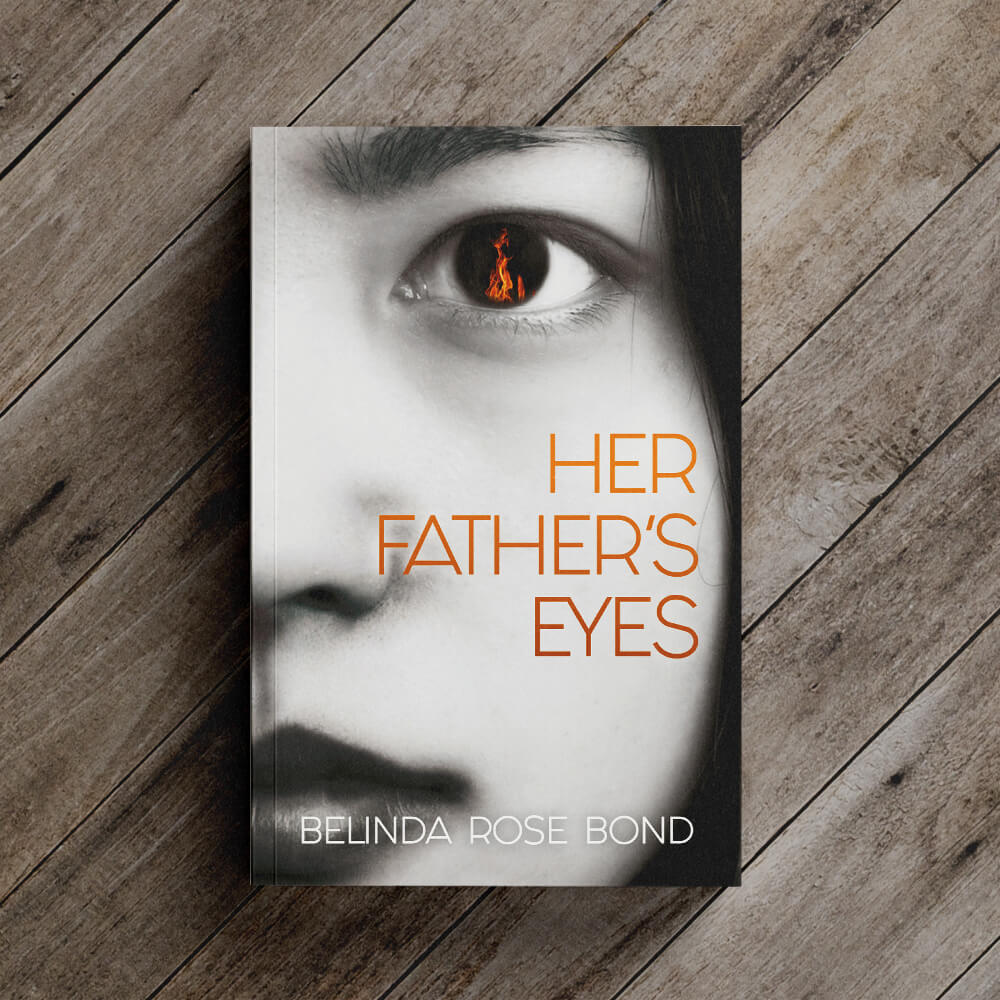
Paperbacks have flexible, soft covers made from slightly thicker paper or cardstock than the inner pages. Since paperbacks don’t use the rigid boards found in hardcovers, this flexibility allows them to bend slightly without damaging the book's structure. The cover’s flexibility also contributes to cost-effectiveness.
Ideal Uses for Paperbacks
The paperback format suits books intended for wide distribution or casual consumption. They’re a standard format for novels where portability and affordability are essential. Textbooks also benefit from this format, especially if they’re updated frequently, and cost efficiency and ease of replacement are important. Paperbacks can help you reach more readers at a lower cost, making them an excellent choice for large-scale printing projects.
The Hallmarks of Hardcover Books
Hardcover Book Features
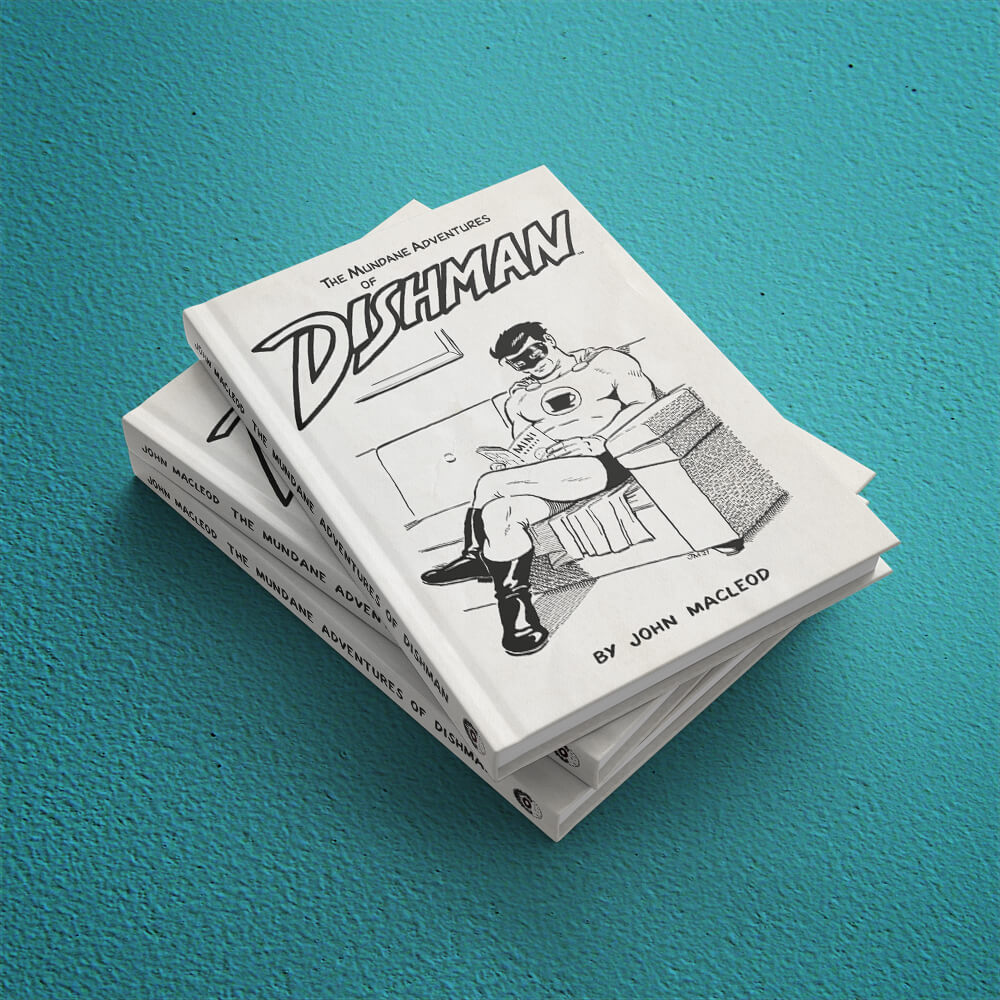
Hardcover books consist of sturdier, more durable materials than paperbacks. Their defining feature is their rigid cover, typically made from cardboard or paperboard wrapped around printed paper. This rigid cover gives hardcovers their renowned longevity, allowing them to withstand the test of time and heavy use.
Some hardcover books come with a dust jacket. This removable outer cover protects the book and offers additional space for design elements, author information, and promotional content. A dust jacket adds another layer of protection to the book’s cover and enhances its visual appeal.
Hardcover Book Uses
Hardcovers suit books meant to last a long time or hold special significance. Similarly, books that will be cherished - such as collectable editions, art books, or gift items - are well-suited to the hardcover format. Hardcover books also appeal to limited edition runs or photography collections, where the book’s presentation is as important as its content.
Comparing Costs and Production
Pricing Differences
Paperbacks are generally more affordable to produce than hardcovers. The main reason for this price difference is the materials and labour involved. Paperbacks use lighter, less expensive materials, such as thinner paper covers and glue binding, which keep production costs down. This lower cost per unit can significantly affect overall spending for authors and publishers looking to print in bulk.
In contrast, hardcovers require more materials and a more labour-intensive production process, which increases the cost. However, this added expense can be justified by the higher perceived value of a hardcover book, allowing authors and publishers to sell their books at a higher price point.
Production Time and Process
Production timelines for paperback and hardcover books can vary significantly. Because paperbacks require fewer materials and a simpler binding process, turnaround times are relatively quick.
Hardcover books, however, take longer to produce. The additional steps involved in creating the rigid cover, adding a dust jacket (if applicable), and binding the pages with more durable materials can add extra time to the production process. This extended production timeline may be crucial in deciding between paperback and hardcover for time-sensitive projects.
Market Appeal and Reader Perception
Reader Preferences
Readers gravitate toward different formats depending on their preferences and intended use for the book. Hardcover books often appeal to readers who value the tactile experience of reading - a hardcover feels substantial in the hand and is associated with high quality. Many readers also appreciate the aesthetic value of hardcovers, as they look more polished and impressive on a bookshelf. For collectors or those who value durability, hardcovers are the preferred choice. On the other hand, paperbacks are synonymous with convenience and affordability, making them an attractive everyday option.
Impact on Book Sales
Due to their higher production costs, hardcover editions tend to have higher price tags, which can limit your audience to those willing to invest in a more expensive product. However, hardcovers can drive higher profit margins for limited edition releases or high-end markets.
On the other hand, paperbacks can help you reach a broad audience, as their lower price point makes them more accessible. For authors aiming for mass-market distribution, releasing a paperback version of their book can increase overall sales and broaden readership. Many authors and publishers release paperback and hardcover versions to cater to different audience segments, maximising reach and profitability.
Making Your Choice: Factors to Consider
Intent and Audience
Consider your book’s purpose and who you’re trying to reach. A paperback may appeal more to casual readers or those on a budget, while the feel and durability of a hardcover appeal to readers who value aesthetics and longevity.
Budget Constraints
Paperbacks are significantly less expensive to produce. If cost is a major concern for your project, a paperback will allow you to reach your audience without breaking the bank. That said, while more expensive to produce, hardcovers often justify their cost by commanding higher retail prices. The increased sale price could offset the higher production cost.
Longevity and Use
Consider your book’s purpose. A hardcover’s durability will serve readers well if intended for frequent use. In contrast, paperbacks are more suitable for short-term use. They’re practical, affordable, and offer great value for daily reading.
FAQs
What is the difference between paperback and hardcover books?
Paperbacks are lightweight, flexible, and more cost-effective to produce, while hardcovers offer durability and have a rigid cover. The choice between the two depends on your budget, audience, and the book’s purpose.
Can I print both paperback and hardcover versions of my book?
At Mixam, we offer paperback and hardcover printing options, so you can create multiple versions of your book to suit different reader preferences and distribution needs.
How do I design files for paperback and hardcover books?
You can hand-draw your artwork, scan it, or photograph it and upload the images to your desktop. For digital designs, you can use popular graphic design programs like Adobe InDesign, Illustrator, Canva, or Affinity Publisher. We recommend downloading our PDF templates under our Instant Quote Calculator to ensure your files are print-ready before uploading them to Mixam. These templates can be used as an underlay to lay out your designs accurately. Alternatively, you can use our Design Online Tool to create your artwork directly within your order, giving you a seamless design process within preset guidelines.
What are the production times for paperback vs hardcover books?
Due to their simpler construction, paperbacks generally have a shorter production time. Hardcovers, which involve more intricate binding and potentially adding dust jackets, can take longer. Please refer to our Instant Quote Calculator, which will display an estimated shipping date.
What is lamination, and do I need it for my cover?
A lamination or finish is an additional protective layer applied to the covers of paperback and hardcover books to preserve, protect, and enhance their durability and visual appeal.
Which book format is better for international shipping?
Paperbacks are generally lighter and more affordable to ship internationally. However, hardcovers may be worth the additional shipping cost if you’re looking for extra protection during transit, as they’re more durable.
Can I order samples of my book before committing to a larger print run?
We recommend ordering a single copy of your paperback or hardcover book so you can review the quality and make any necessary adjustments before printing a higher-quantity order.
Conclusion: What’s Best for Your Book?
The best format ultimately depends on your own needs. Paperbacks offer affordability, flexibility, and quick production, making them perfect for mass-market distribution or budget-conscious projects. On the other hand, hardcovers provide durability, prestige, and a high-end reading experience, making them ideal for collectable editions or books intended for long-term use.
Whatever format you choose, Mixam is here to help you through every step of the process, from choosing your book’s specifications to ensuring professional-quality prints. With our vast range of options and expert guidance, you can create a book that reflects your vision and meets readers’ needs.
Visit our Paperback Books and Hardcover Books product pages to get your project started. You can also check out the array of posts on Mixam's Blog and visit our Support section for helpful guidance and advice on all things print.
Main Image Credit: Pexels