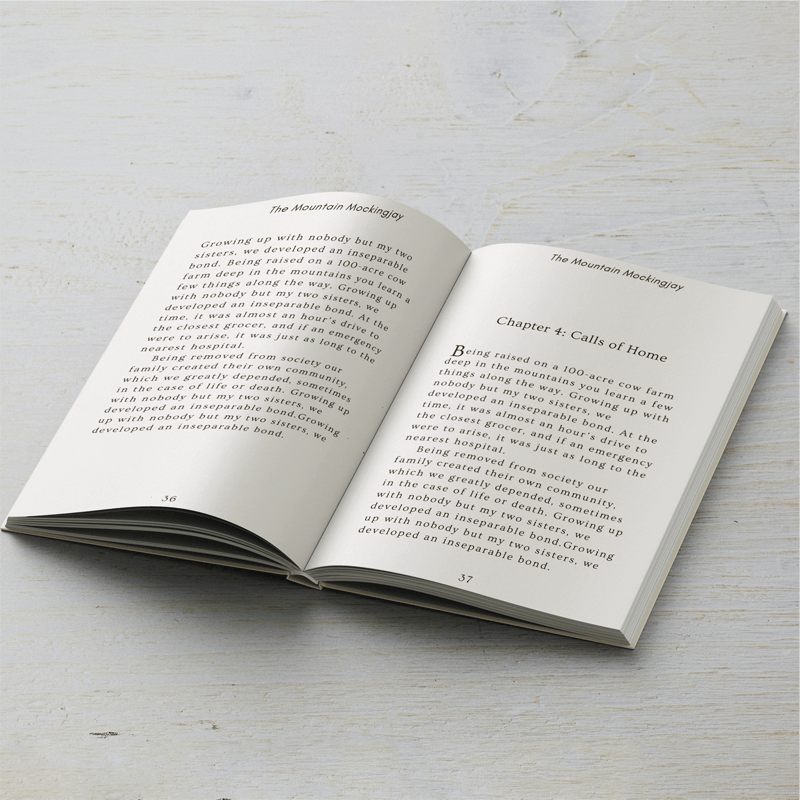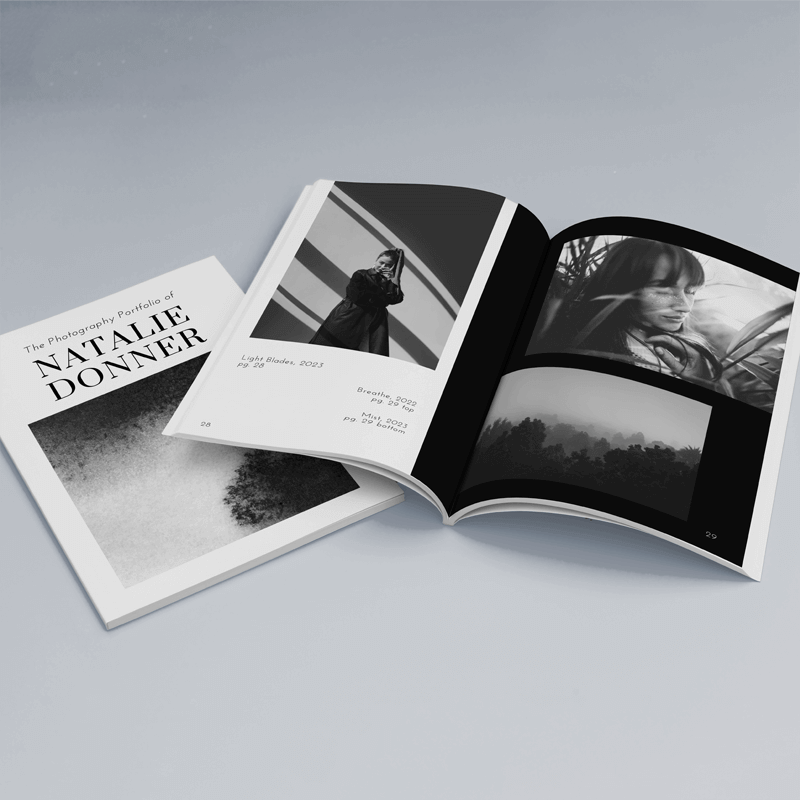
When you print booklets, you’re creating something people can hold onto in a world where digital content comes and goes. This guide will walk you through the booklet printing process, from the initial design to the final print. Whether you’re creating a stunning product catalog, a thoughtfully designed event program, or a treasured keepsake, you’ll be inspired and empowered to create your own.
Why Booklets Matter in Today's Digital Age
- Tactile Engagement: Unlike digital media, booklets provide a sensory experience. The physicality of print can help forge deeper connections between the reader and the content.
- Memorability: Research shows that people are more likely to remember information from physical media than digital content. Physical media is a popular source of information in various sectors, such as marketing, education, and business.
- High Perceived Value: A well-designed, high-quality booklet feels more valuable than a website or an email. When someone receives a beautifully printed booklet, they’re more likely to view the content as authoritative and trustworthy.
- Brand Differentiation: In a sea of digital advertising and content, booklets can help your brand stand out. The tactile, professional nature of print creates a sense of legitimacy and care, showing your audience that you’ve gone the extra mile.
Starting Your Booklet Design
Choosing the Right Size and Format
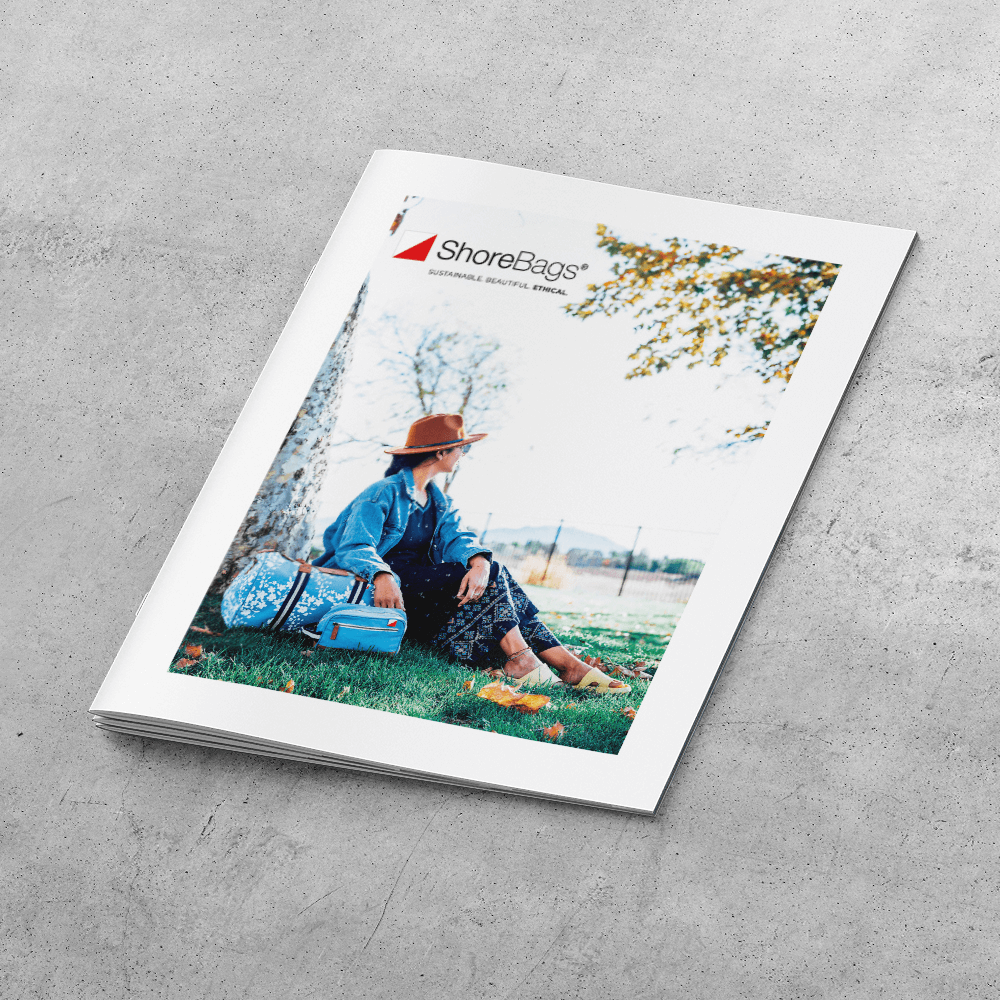
- A4 (8.3" x 11.7"): This booklet size is suitable for corporate reports, catalogs, and informational guides. It offers ample space for content, allowing you to include detailed text and high-quality images without overcrowding the page.
- A5 (5.8" x 8.3"): More compact than A4, A5 booklets are portable and practical for event programs, marketing handouts, or personal projects. They’re easy to distribute and offer enough room for essential content and visuals.
- Digest (5.5" x 8.5"): This size balances portability and visibility, making it ideal for small catalogs, product brochures, and promotional materials. It’s a versatile format that works well for personal and corporate uses.
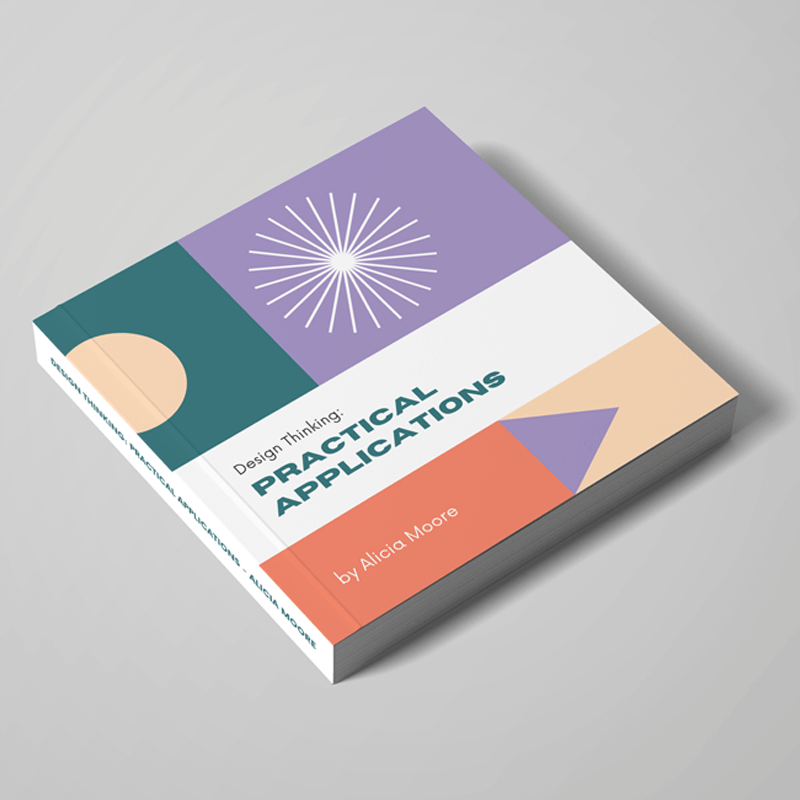
- Custom Sizes: To truly stand out, custom-sized booklets give you the freedom to create something that’s truly your own. Whether you’re thinking about printing square booklets or a portfolio in an elongated format, custom sizing is available at Mixam.
Design Tips for Engaging Booklets
- Embrace Simplicity: One of the most common design mistakes is trying to do too much on each page. Simplicity is central to creating an elegant, easy-to-read booklet. Use white space to give your content room to breathe and avoid overwhelming the reader. A clean design with a clear hierarchy (headlines, subheadings, and body text) will ensure that your message comes across effortlessly.
- Use High-Quality Images: Visuals are a crucial part of booklet design. Low-resolution images can make an otherwise professional booklet look amateurish, so always use images at least 300 dpi (dots per inch) to ensure sharpness in print.
- Create a Natural Flow: A good booklet design guides the reader from page to page in a logical, easy-to-follow way. Break up large blocks of text with headers, subheaders, bullet points, and visual elements. A well-structured layout keeps your readers engaged and prevents them from losing interest.
- Typography Matters: The fonts you choose will set the tone for your booklet. For professional or corporate booklets, use classic, easy-to-read fonts like Helvetica or Times New Roman. For more creative projects, you can experiment with more creative fonts, but always prioritize legibility. You should also maintain a hierarchy of font sizes (large for headings, medium for subheadings, small for body text) to keep the content clear and organized.
- Brand Consistency: If you’re designing a booklet for a business or brand, maintaining consistency with your brand’s identity is essential. Use your brand’s color scheme, fonts, and logo throughout for a professional appearance and to reinforce brand recognition.
- Incorporate Callouts and Highlights: Use callout boxes, highlights, or contrasting colors to draw attention to important information. These elements help break up the content and make it more visually engaging.
Material and Finish Options
Paper Types and Weights
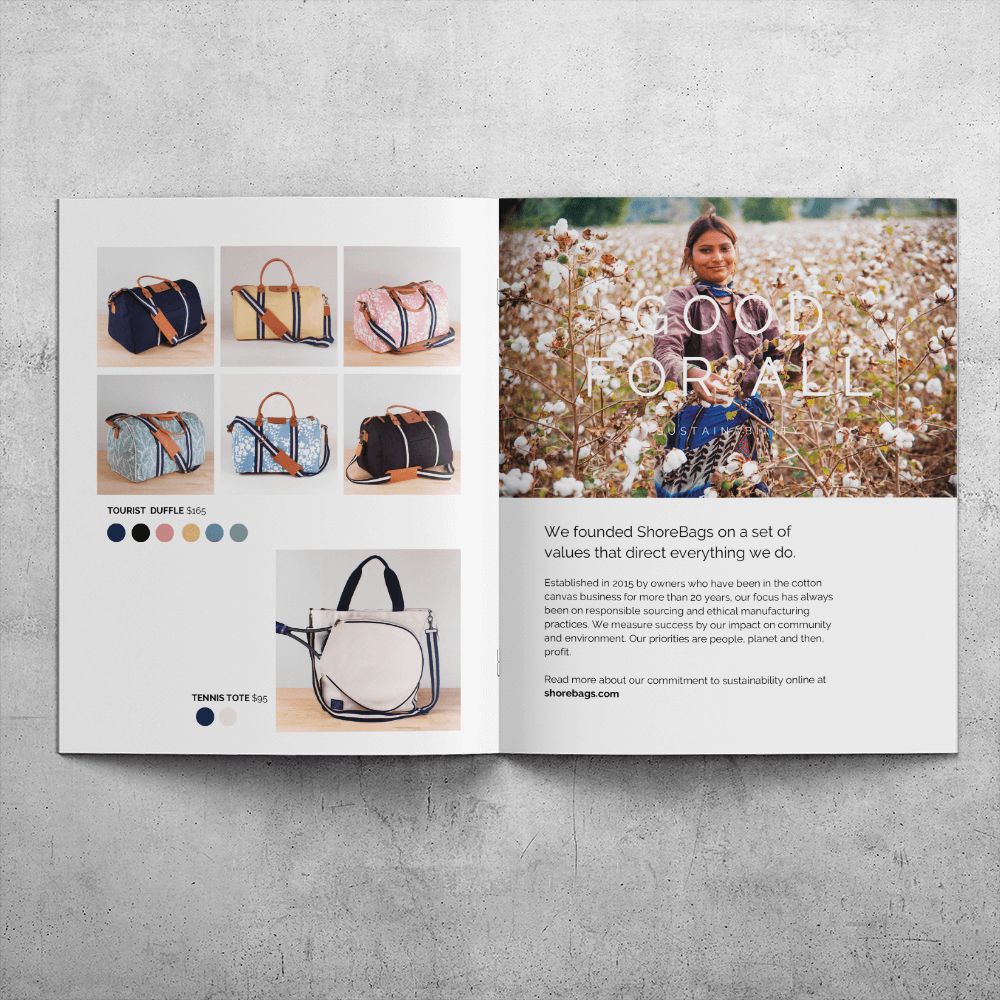
- Satin Paper: Satin paper has a smooth surface with a slight sheen, making it perfect for booklets with vivid imagery. It enhances colors without being too glossy, making it a versatile choice for many projects.
- Gloss Paper: For a high-shine finish, gloss paper makes colors pop, giving your booklet a polished, eye-catching look. This paper is ideal for product catalogs or photography-heavy booklets where visuals are the main focus.
- Uncoated Paper: If you want a more natural, tactile feel, uncoated paper has a soft texture that mutes printed colors, perfect for minimalist designs, for example.
- Recycled Papers: For environmentally conscious projects, recycled paper stocks offer the same natural look as standard uncoated paper but with the added benefit of sustainability.
- Paper Weight: The higher the paper weight, the thicker and sturdier the paper. Lighter paper (e.g., 70lb text) is great for booklets with high page counts, while heavier stock (e.g., 100lb text) adds durability and quality. Using a heavier paper weight (such as 100lb cover stock) can give your booklet an even more substantial, high-end feel.
Booklet Cover Finishes
A finish is a transparent plastic layer or coating applied to a printed page to enhance durability and aesthetics. Your booklet’s cover is the first thing people see and sets the tone for what’s inside, so choosing the right cover finish will reinforce your booklet’s overall presentation. Explore the full range of available finishes on our Booklets page.
- Matte Finish: A matte lamination offers a sophisticated, subtle look. It doesn’t reflect light, making it perfect for a more understated, elegant presentation. Matte is also great for text-heavy cover designs and projects with slightly muted colors. Another advantage is that matte minimizes the appearance of fingerprints and smudges, making them ideal for booklets that will be handled frequently.
- Gloss Finish: For bold and eye-catching designs, a gloss lamination has a reflective surface that makes colors appear more vibrant. A gloss finish is perfect for image-heavy booklets like catalogs or photo portfolios.
- Soft-Touch Lamination: Soft-touch lamination adds a velvety texture to a booklet’s cover for a luxurious feel. It feels upmarket and provides added durability, making it an excellent option for high-end projects.
Binding Options for Booklets
Saddle Stitch (Staple Binding): A simple, cost-effective option in which pages are folded and stapled along the spine. It’s ideal for smaller booklets with fewer than 48 pages, offering a clean, no-fuss look and perfect for quick-turnaround projects.
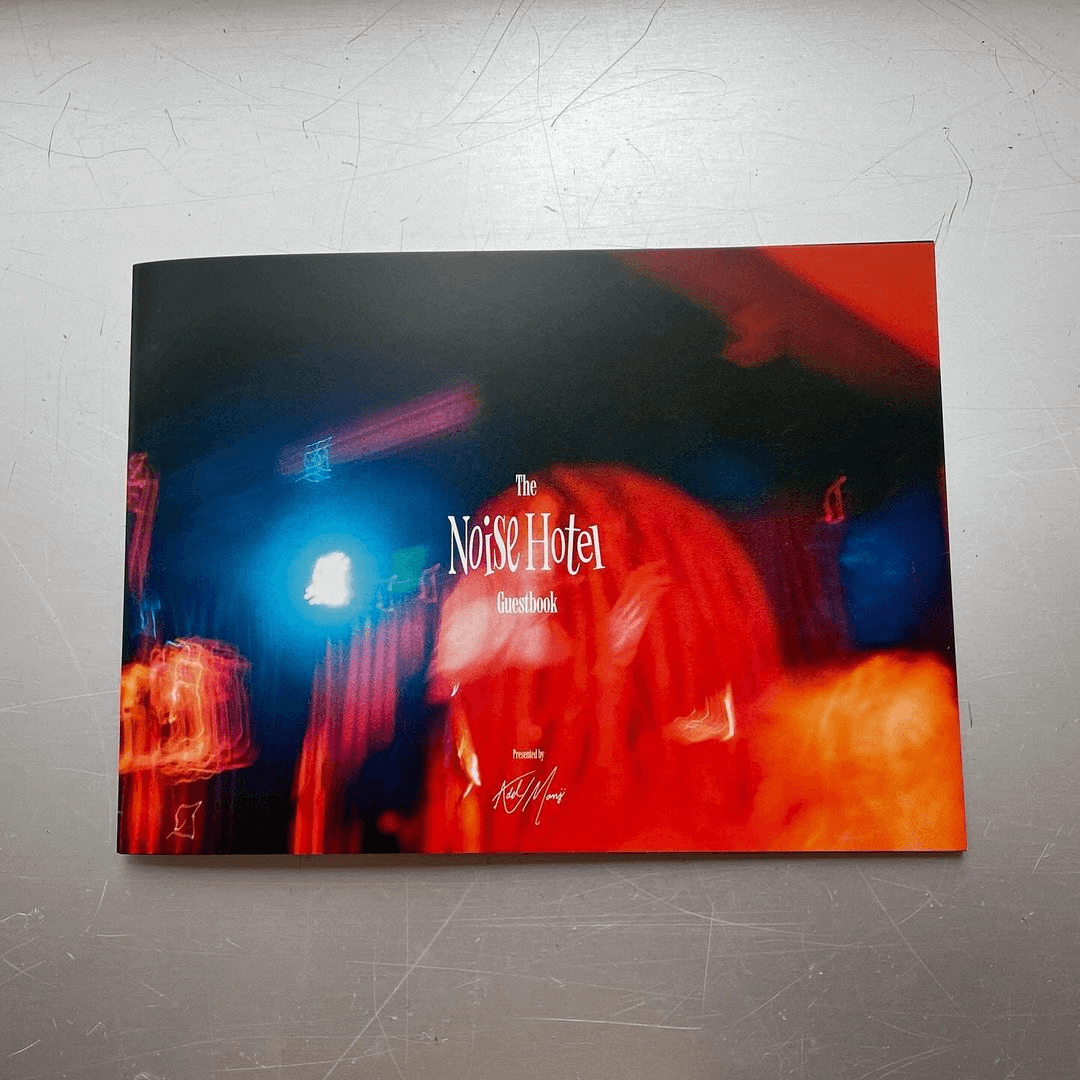
Perfect Binding: For a sleek, professional appearance, perfect binding glues the pages to form a neat rectangular spine. It’s best for larger booklets and provides durability for high and low page quantities.
Wire-O Binding: Practical and durable, wire binding uses metal loops through punched holes, allowing the booklet to lie completely flat, and pages can rotate 360 degrees. It’s perfect for prints that will be frequent handling.
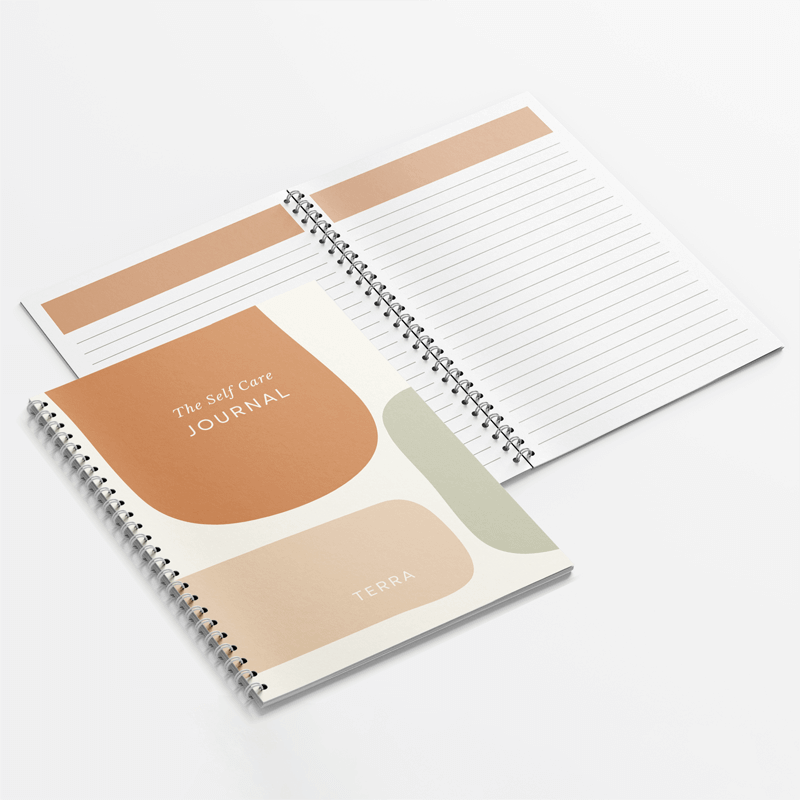
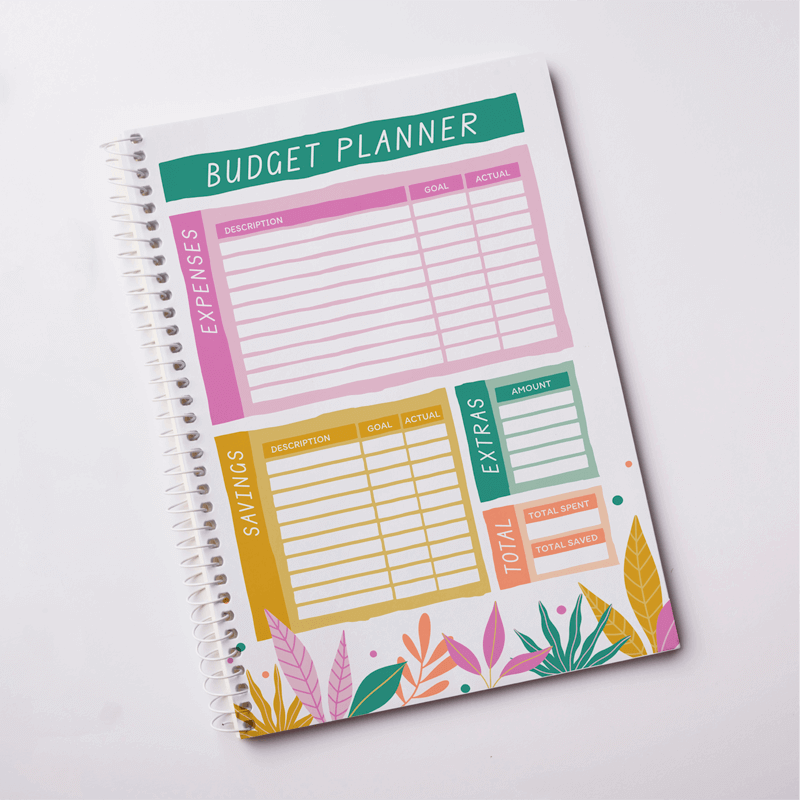
Spiral Binding: A flexible, durable binding method where a plastic coil is threaded through the spine. Like wire binding, it allows for full 360-degree rotation, making it ideal for planners, notebooks, or technical guides.
Printing Technologies Explained
- Digital Printing: It’s a flexible, inexpensive printing method that uses digital files to print directly onto paper. It is suitable for small print runs and quick turnarounds. One key advantage of printing booklets with Mixam is the ability to customize prints, making it perfect for personalized projects where you can easily change text or images, such as adding bespoke details.
- Offset Printing: A traditional printing method that uses plates to transfer ink onto paper, offering superior quality and color consistency. Best suited for large print runs, offset printing is cost-effective as the price per unit decreases with higher volumes. It’s ideal for high-quality projects that require fine details and can handle a wider variety of paper options, making it the go-to choice for professional, large-scale booklet production.
Balancing Cost and Quality
- Selecting Paper Types: Top-quality paper weights and finishes can enhance your booklet but also increase the cost. To balance durability and affordability, consider using lighter stock for the inner pages and reserving heavier stock for the cover.
- Stick To Your Print Quantity: Printing in bulk can be more economical than placing several small orders. If you anticipate needing more copies in the future, consider printing a larger quantity upfront to take advantage of the lower cost per unit.
- Simplify Your Design: While custom finishes can make your booklet stand out, they can increase costs. To keep your design budget-friendly, focus on simple, elegant designs.
Success Story: Booklet Printing with Purpose
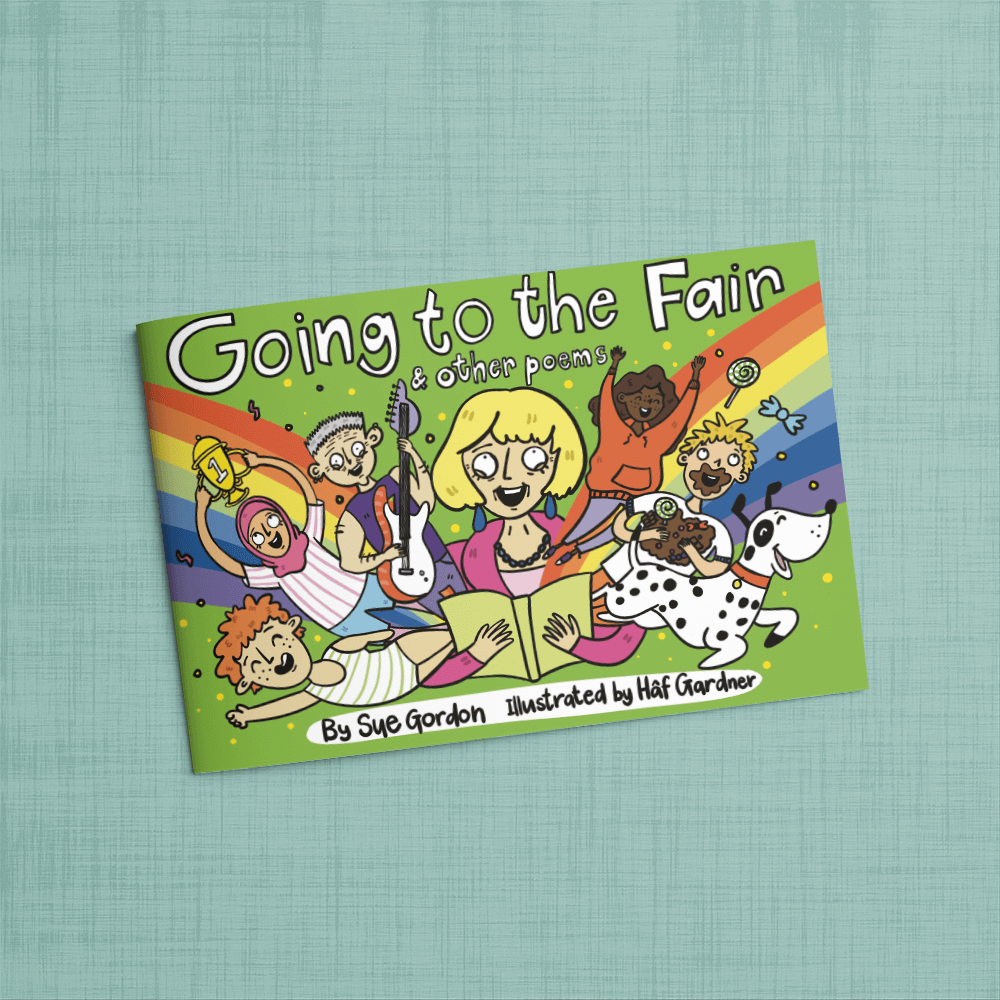
Here’s a perfect example of how a well-designed booklet can make a lasting impact: ‘Going To The Fair & other poems’ is a delightful collection of playful poems by Sue Gordon, beautifully illustrated by Hâf Gardner. Sue’s charming poems, paired with Hâf’s vibrant illustrations, create an engaging experience that encourages children to explore their own creativity. But this booklet serves a greater purpose - each purchase contributes to a worthy cause, with a donation from every sale going to a children’s hospice. This project not only enriches young minds but also supports families in need.
Your Next Steps in Booklet Printing
You now have a concise overview of everything you need to know about designing and printing high-quality booklets. No matter what kind of booklet you create, they’re a powerful tool that can elevate your message and leave a lasting impression. At Mixam, our easy-to-use design tools, high-quality printing options, and expert support ensure that your booklets are easy to make, affordable, and include speedy shipping.
Visit our booklet printing page today for your free quote. Download Mixam’s free Book Printing Guide to learn how to print a book, and the PrintLink Guide to start your own print-on-demand business.